
From My Allotment to Your Table: Indian-Inspired Recipes Using British Produce

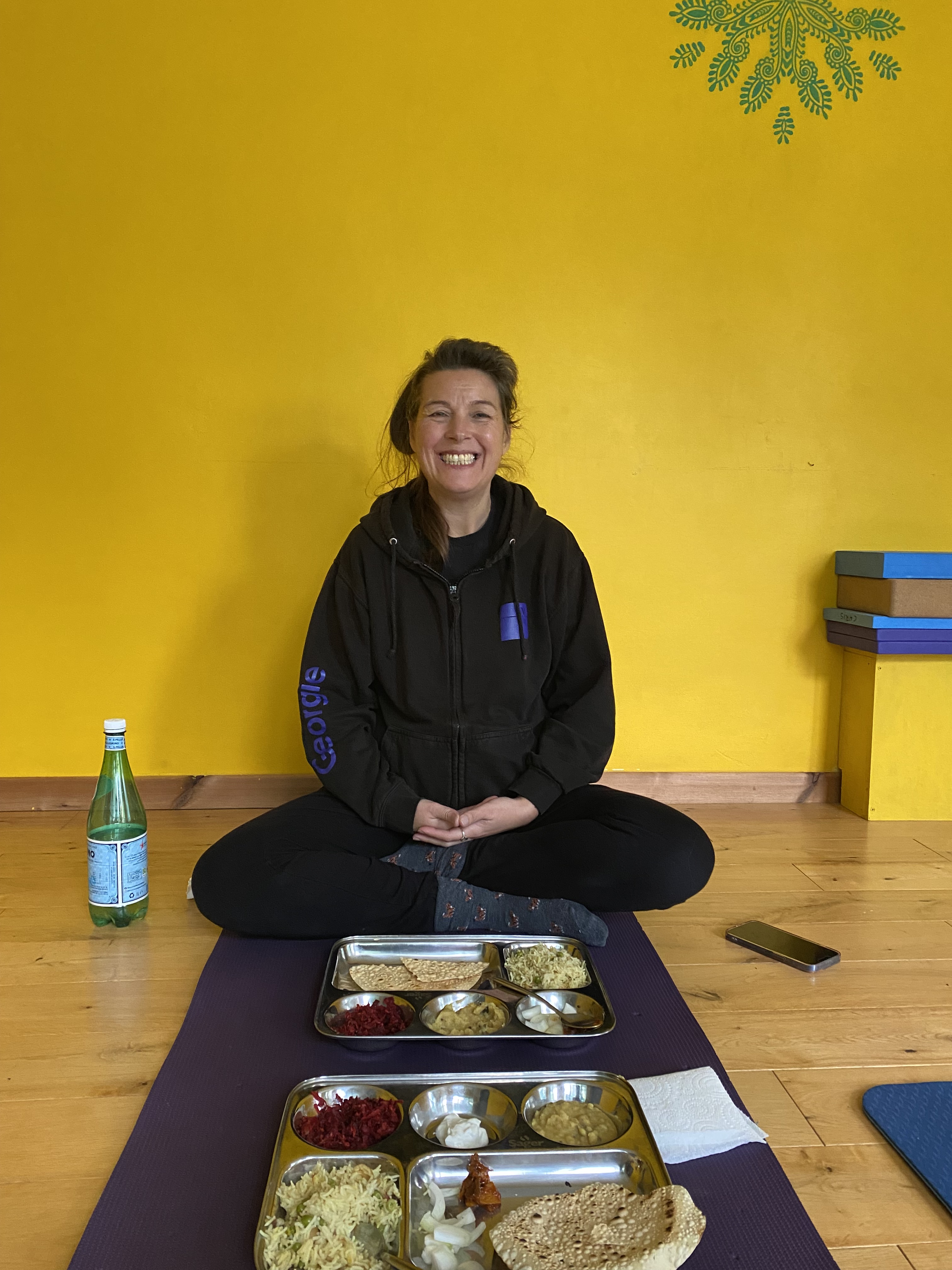
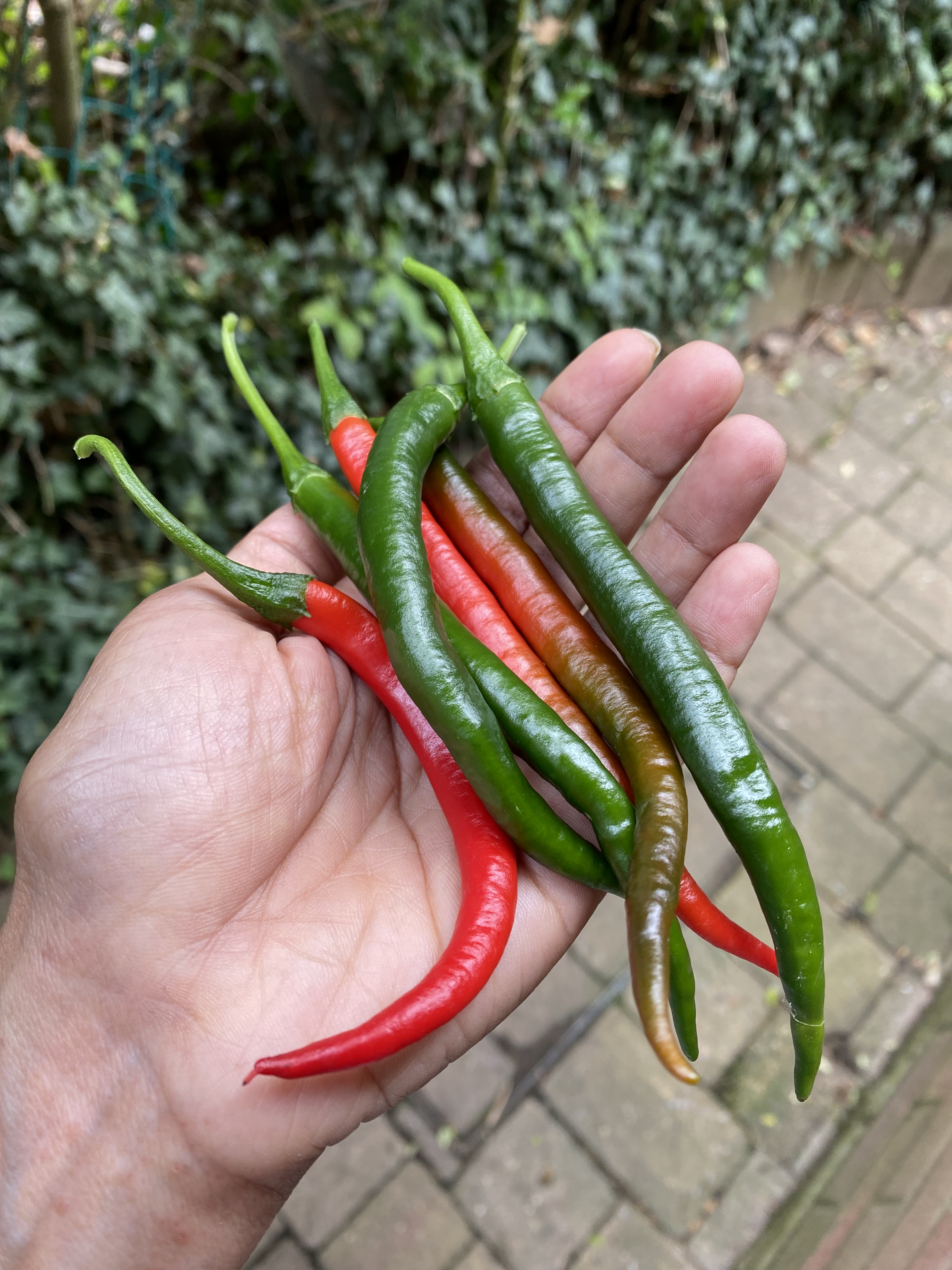
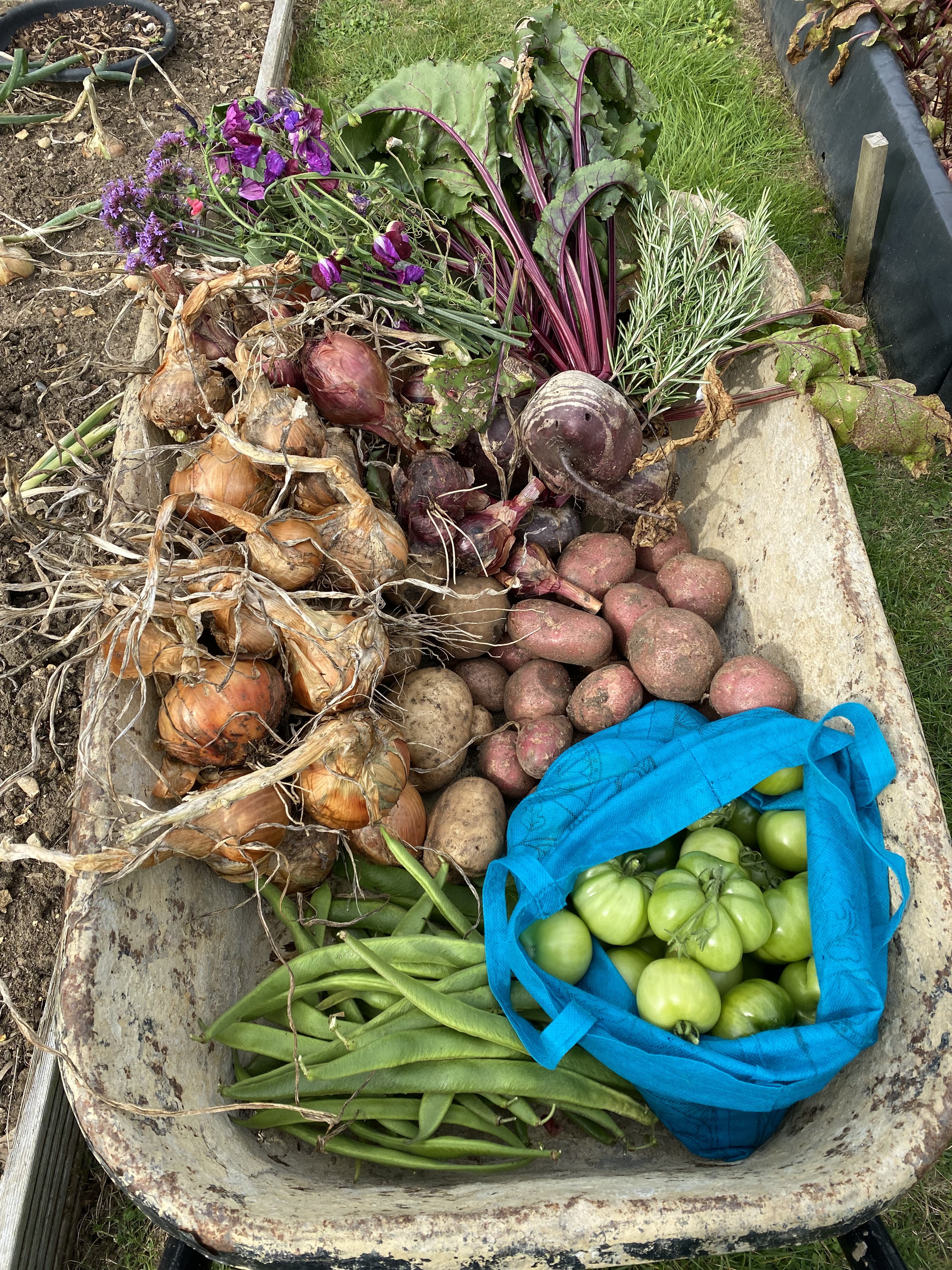
When I’m not teaching yoga, I love spending time at my allotment near the studio in Welwyn Garden City. It’s where I find peace, tending to the earth and collecting fresh vegetables that I’ll later turn into flavorful, nourishing Indian dishes. Growing British produce that’s easy to cultivate has become a passion of mine, and I’m excited to share these simple, healthy recipes with you.

Soon, I’ll be publishing a series of recipes inspired by the vegetables I grow, blending British ingredients with Indian cooking traditions. These dishes are perfect for anyone looking to bring the best of both worlds to their kitchen. I can’t wait to share this journey from the garden to the plate with my students!

Om

310

Om is the name for Brahman, the cause and the basis of creation. Om, as a sound, also indicates auspiciousness and is chanted at the beginning of prayers and religious studies. Om is derived from the Sanskrit verbal root ‘av’ meaning ‘to protect’. When one chants Om with the understanding that it is a name for the lord, it becomes a prayer for one’s protection.

Om etymologically is composed of three sounds, ‘a’, ‘u’, and ‘m’. The first syllable, ‘a’ stands for the waking world, the waker, and the waking experience. The second syllable ‘u’, stands for the dream world, the dreamer, and the dream experience. The third syllable ‘m’, stands for the sleep world, the sleeper, and the sleep experience. As one chants Om repeatedly, the silence between the chants stands for the awareness, the consciousness which is the basis of the three worlds, the three experiencers, and the three states of experience. Om thus represents all that exists and the basis or substratum of all that exists