From My Allotment to Your Table: Indian-Inspired Recipes Using British Produce

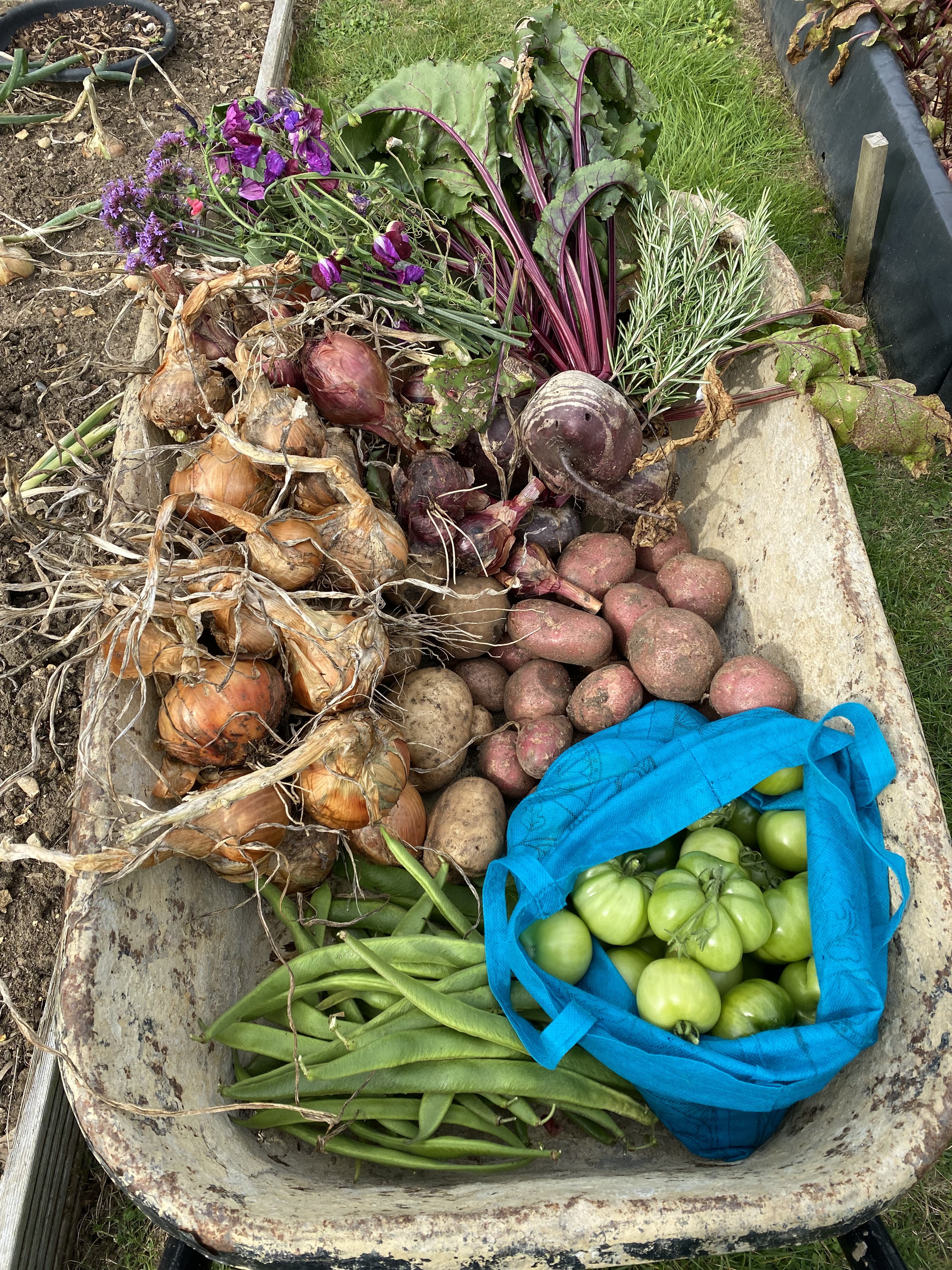
When I’m not teaching yoga, I love spending time at my allotment near the studio in Welwyn Garden City. It’s where I find peace, tending to the earth and collecting fresh vegetables that I’ll later turn into flavorful, nourishing Indian dishes. Growing British produce that’s easy to cultivate has become a passion of mine, and I’m excited to share these simple, healthy recipes with you.

Soon, I’ll be publishing a series of recipes inspired by the vegetables I grow, blending British ingredients with Indian cooking traditions. These dishes are perfect for anyone looking to bring the best of both worlds to their kitchen. I can’t wait to share this journey from the garden to the plate with my students!

The Sun Salutation – Surya Namskara

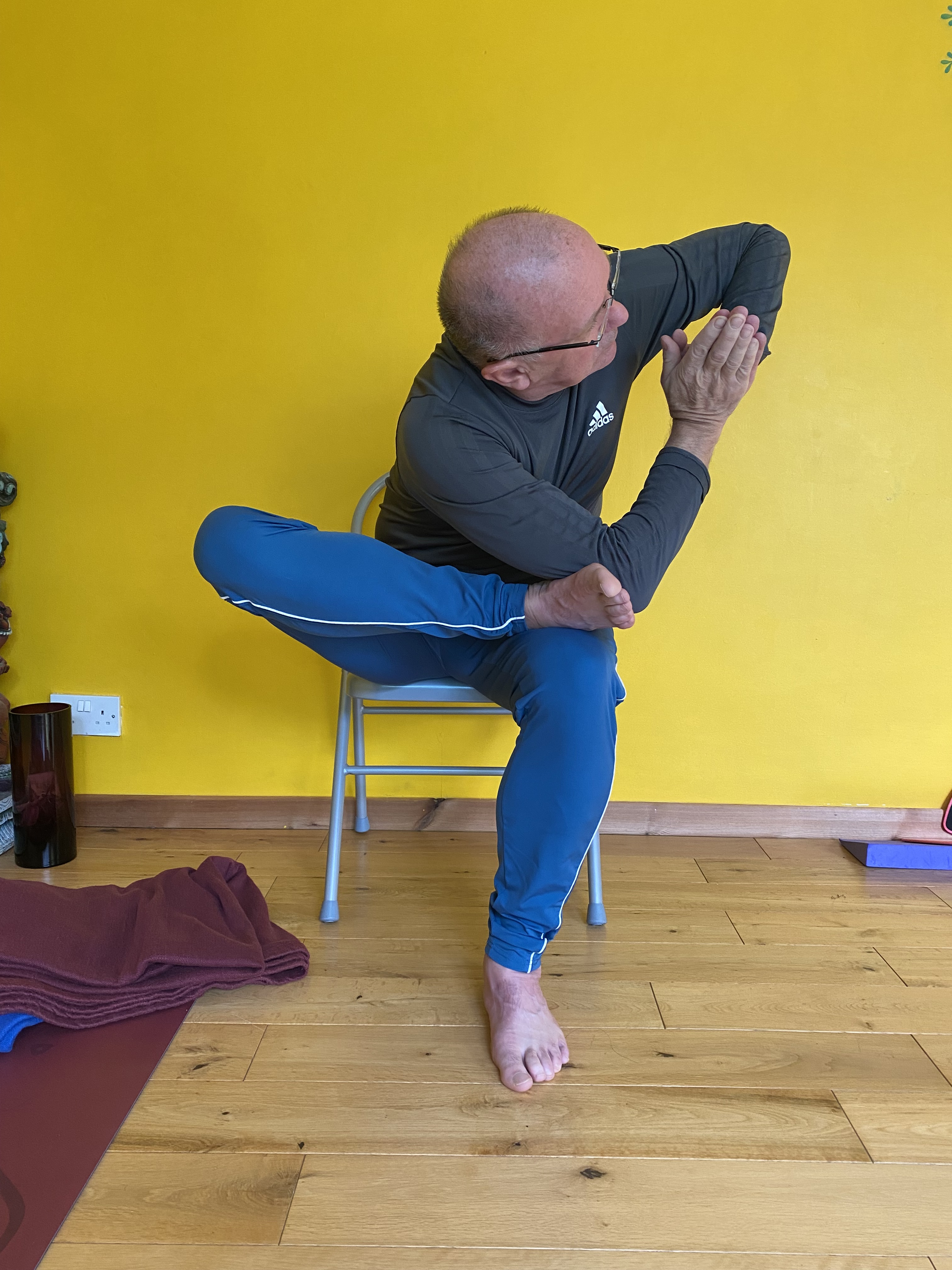
It is best to begin all sessions of yoga asanas with Surya Namsaskar. An excellent general warm up exercise, consisting of 12 different spinal positions the sun salutation give a varied range of vertebral movements to the spine and also promotes flexibility in the limbs of the body. The sun salutation is a great benefit to all, especially beginners, elderly and stiff people, as it aids the body in the rapid gain of flexibility, while regulating the breath and focusing the mind.  Technically Sun Salutation is not an asana but a series of gentle flowing movements synchronised with the breath. Once you have learned the positions of the Sun Salutation, tune them to a rhythmical breathing pattern.

The Sun Salutation gives an initial stretch to the body in preparation for the asanas proper. Hundreds of muscles are used. The Sun Salutation helps to regulate the breathing and focus the mind. its also recharges the solar plexus and stimulates the cardio-vascular system. The Sun Salutations should be repeated six-twelve times. traditionally it is practised early in the morning focusing the sun.

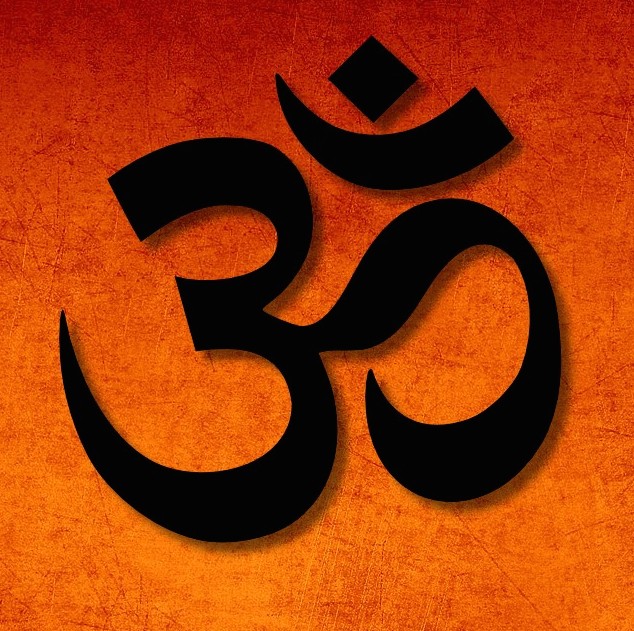
Om

310

Om is the name for Brahman, the cause and the basis of creation. Om, as a sound, also indicates auspiciousness and is chanted at the beginning of prayers and religious studies. Om is derived from the Sanskrit verbal root ‘av’ meaning ‘to protect’. When one chants Om with the understanding that it is a name for the lord, it becomes a prayer for one’s protection.

Om etymologically is composed of three sounds, ‘a’, ‘u’, and ‘m’. The first syllable, ‘a’ stands for the waking world, the waker, and the waking experience. The second syllable ‘u’, stands for the dream world, the dreamer, and the dream experience. The third syllable ‘m’, stands for the sleep world, the sleeper, and the sleep experience. As one chants Om repeatedly, the silence between the chants stands for the awareness, the consciousness which is the basis of the three worlds, the three experiencers, and the three states of experience. Om thus represents all that exists and the basis or substratum of all that exists

Shanti Mantra

hello, to all my students, this is my first post on my new website. below is the Mantra i will be teaching over the next couple of weeks in my class, namaste

om saha nāvavatu
saha nau bhunaktu
saha vīryaṃ karavāvahai
tejasvināvadhītamastu mā vidviṣāvahai
oṃ śāntiḥ śāntiḥ śāntiḥ

translation, 

Om! May He protect us both together; may He nourish us both together;
May we work conjointly with great energy,
May our study be vigorous and effective;
May we not mutually dispute (or may we not hate any).
Om! Let there be peace in me!
Let there be peace in my environment!
Let there be peace in the forces that act on me!

see you in class!!!