Gentle Yoga: A Supportive Approach for Every Body

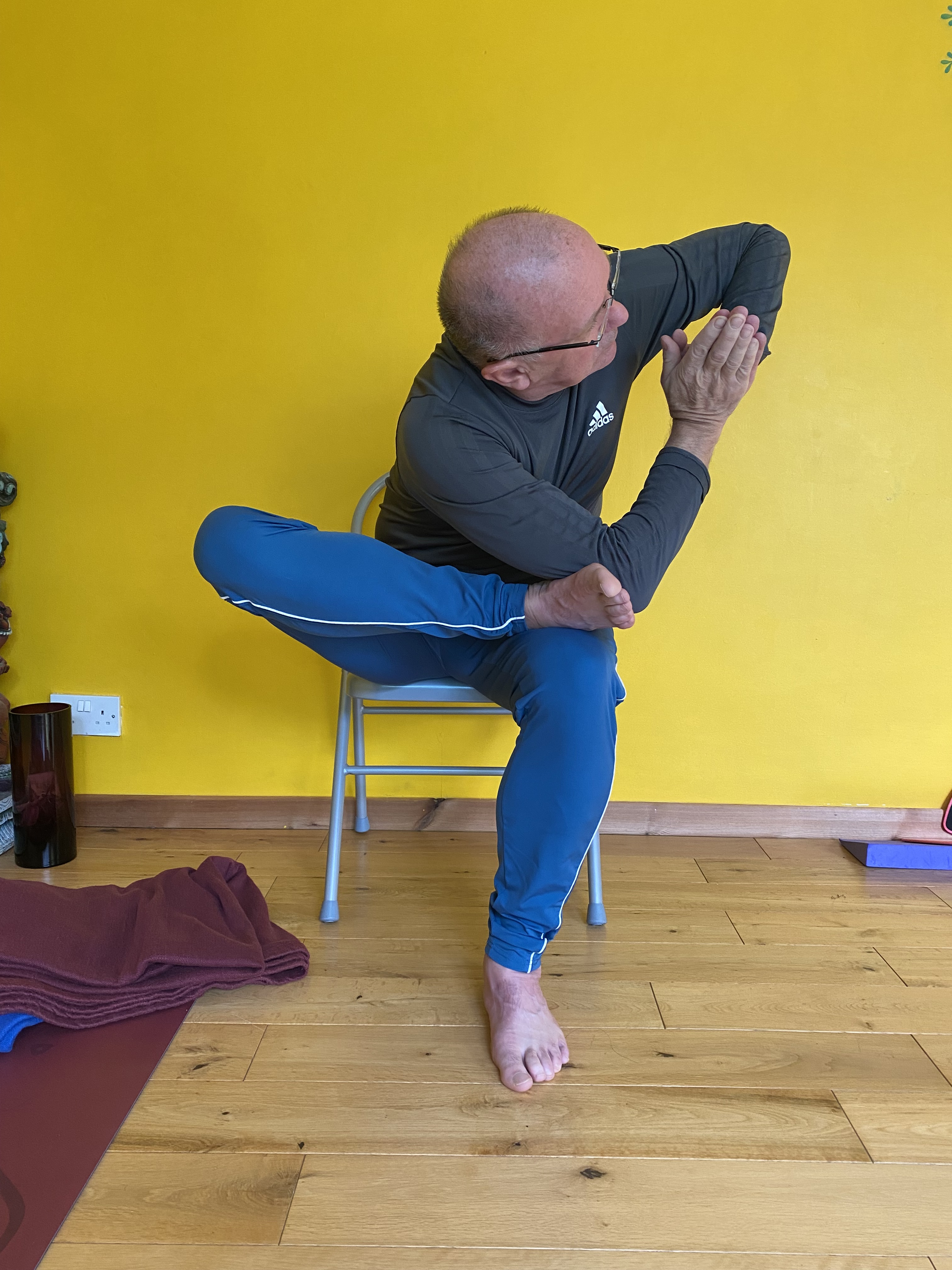
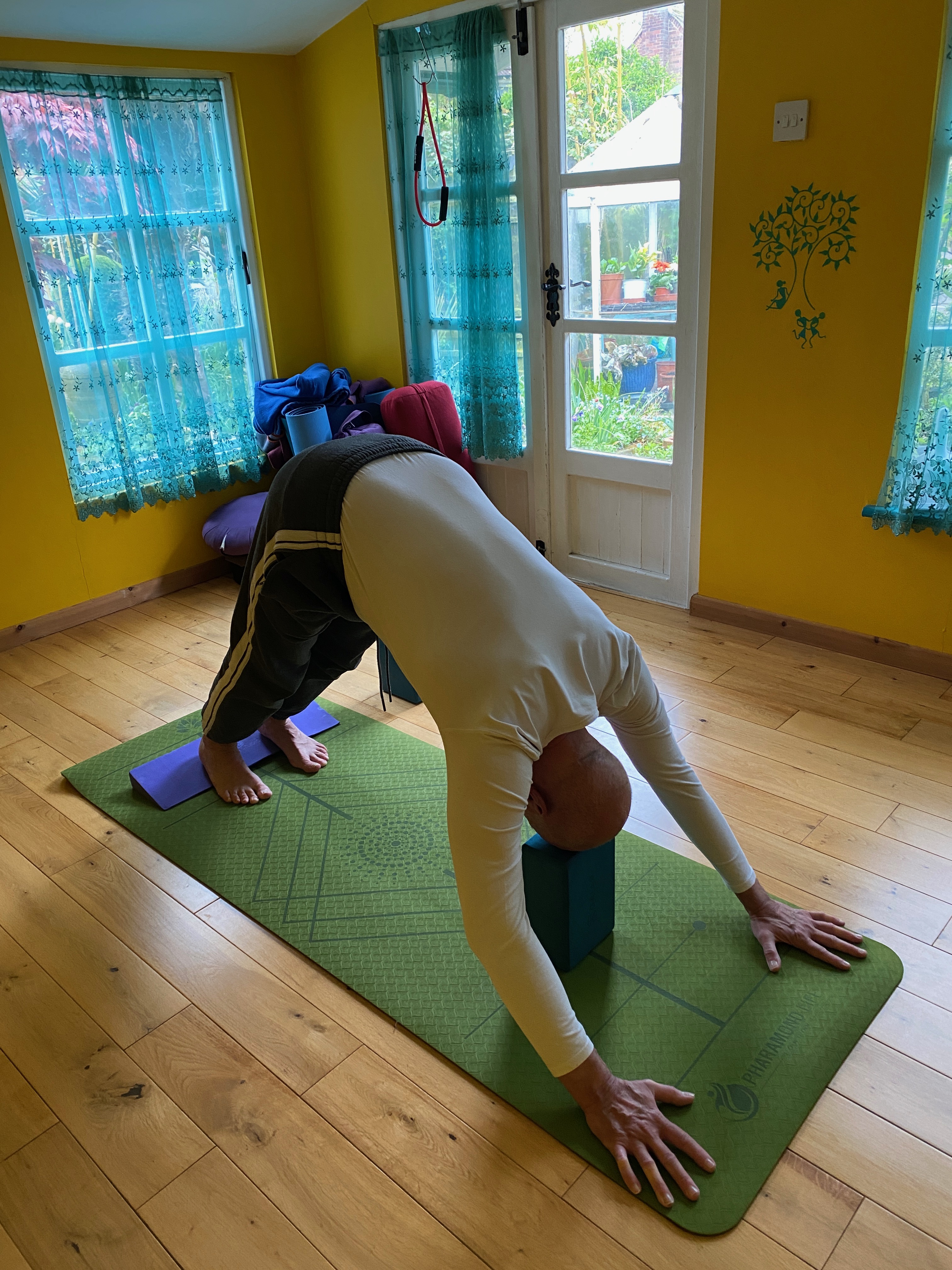
This is one of my students, Chris, demonstrating a gentle, supported variation of Downward-Facing Dog (Adho Mukha Svanasana). We’ve used blocks under his hands, feet, and forehead to create a version of the pose that supports rest and ease—perfect for those working with tightness, fatigue, or simply wanting a more grounding experience.

In my classes, you’ll always find options to adapt the practice to your body. Yoga isn’t about forcing or pushing—it’s about meeting yourself where you are, with kindness.

My approach includes:

• Accessible yoga for all levels and abilities

• A welcoming, inclusive atmosphere

• Skillful use of props to support your body

• Gentle, mindful movement and breath awarenes

If you’re curious about yoga but worried you won’t “fit in,” this space is for you. Everyone is welcome.
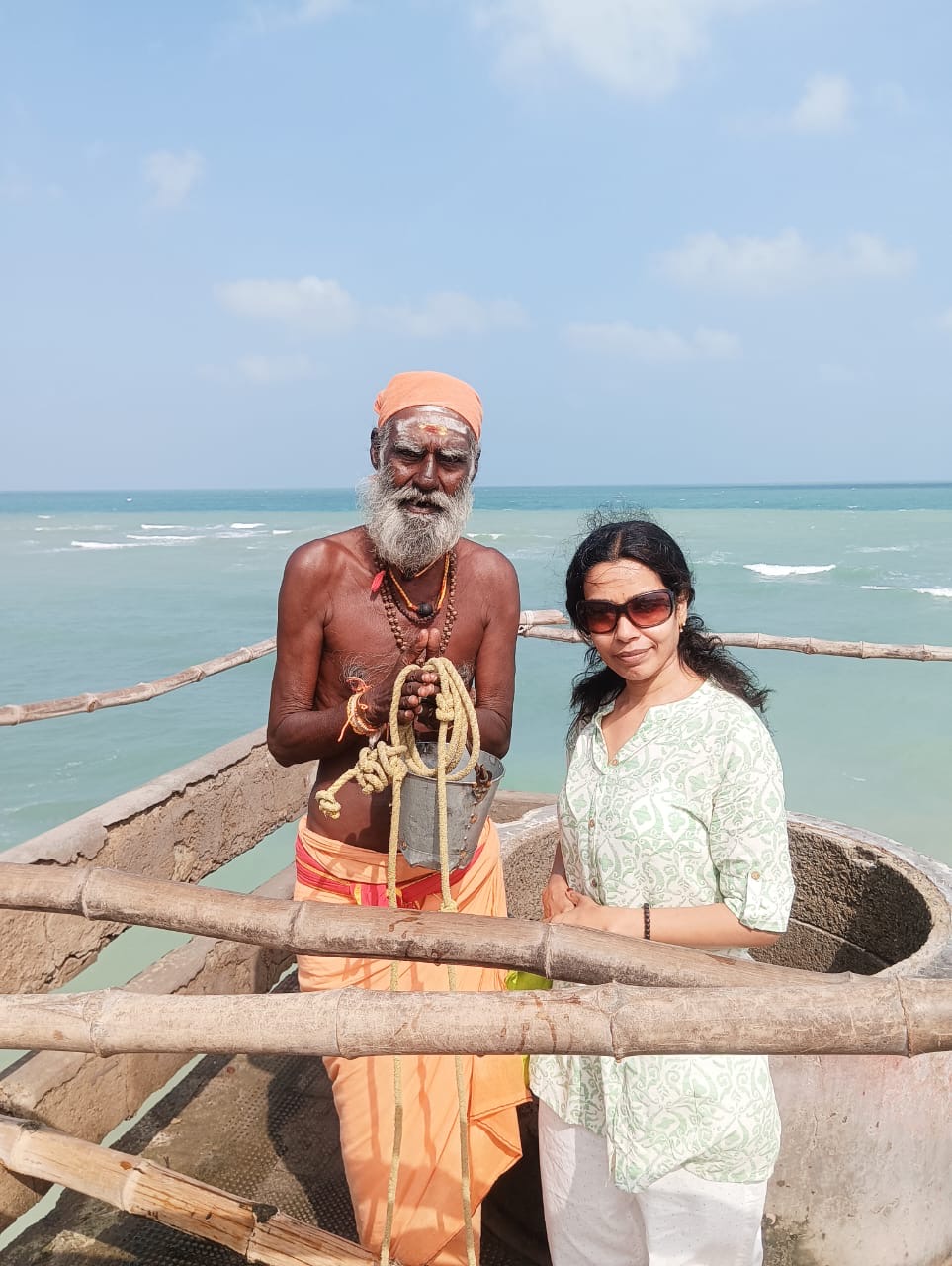
A sacred spot of devotion, where lord Rama and Sita once drank water

Standing at this sacred spot, where Lord Rama and Sita are believed to have once quenched their thirst, I felt a deep sense of reverence and connection. As a yoga teacher, I often speak about grounding ourselves in the present moment, and here, with the vast ocean stretching beyond, I was reminded of the power of devotion, surrender, and faith. Just as yoga teaches us to flow with life’s currents, this place carries the energy of an ancient journey, one of resilience, purpose, and divine alignment. This experience continues to inspire my practice, bringing depth and meaning to the teachings I share in Welwyn Garden City.

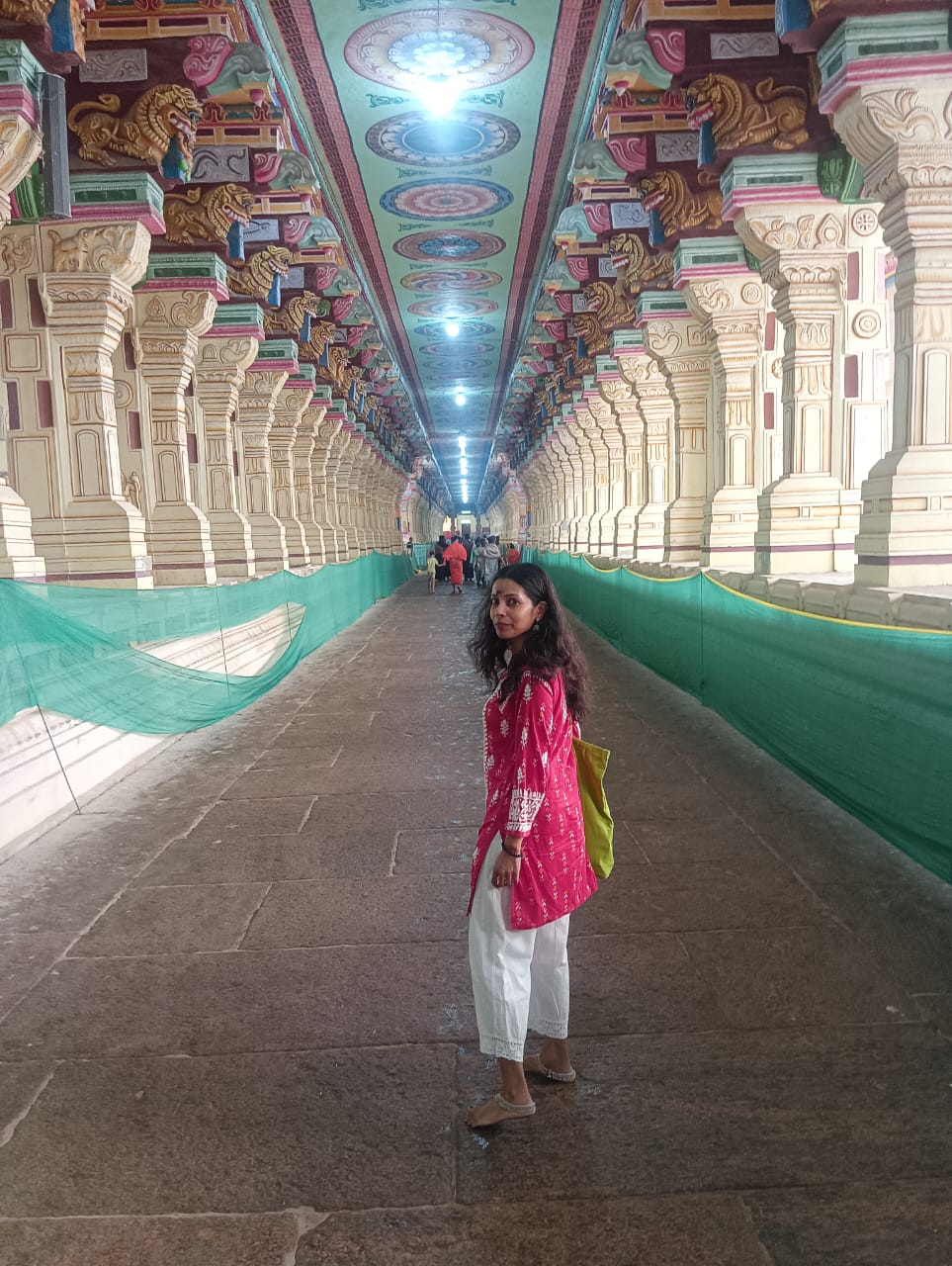
Blessed to visit the sacred Rameshwaram Temple in Tamil Nadu, India, a symbol of devotion and spiritual energy

Visiting Rameshwaram Temple was a deeply moving experience for me. As a yoga teacher, I am always drawn to places of profound spiritual energy, and stepping into this sacred space felt like entering another realm. Walking through the temple’s ancient corridors, surrounded by intricate carvings and centuries of devotion, I felt a deep sense of stillness, a reminder that yoga is not just about movement but about connection, presence, and something greater than ourselves. This journey has inspired my teachings, bringing the essence of ancient wisdom into my yoga practice in Welwyn Garden City.

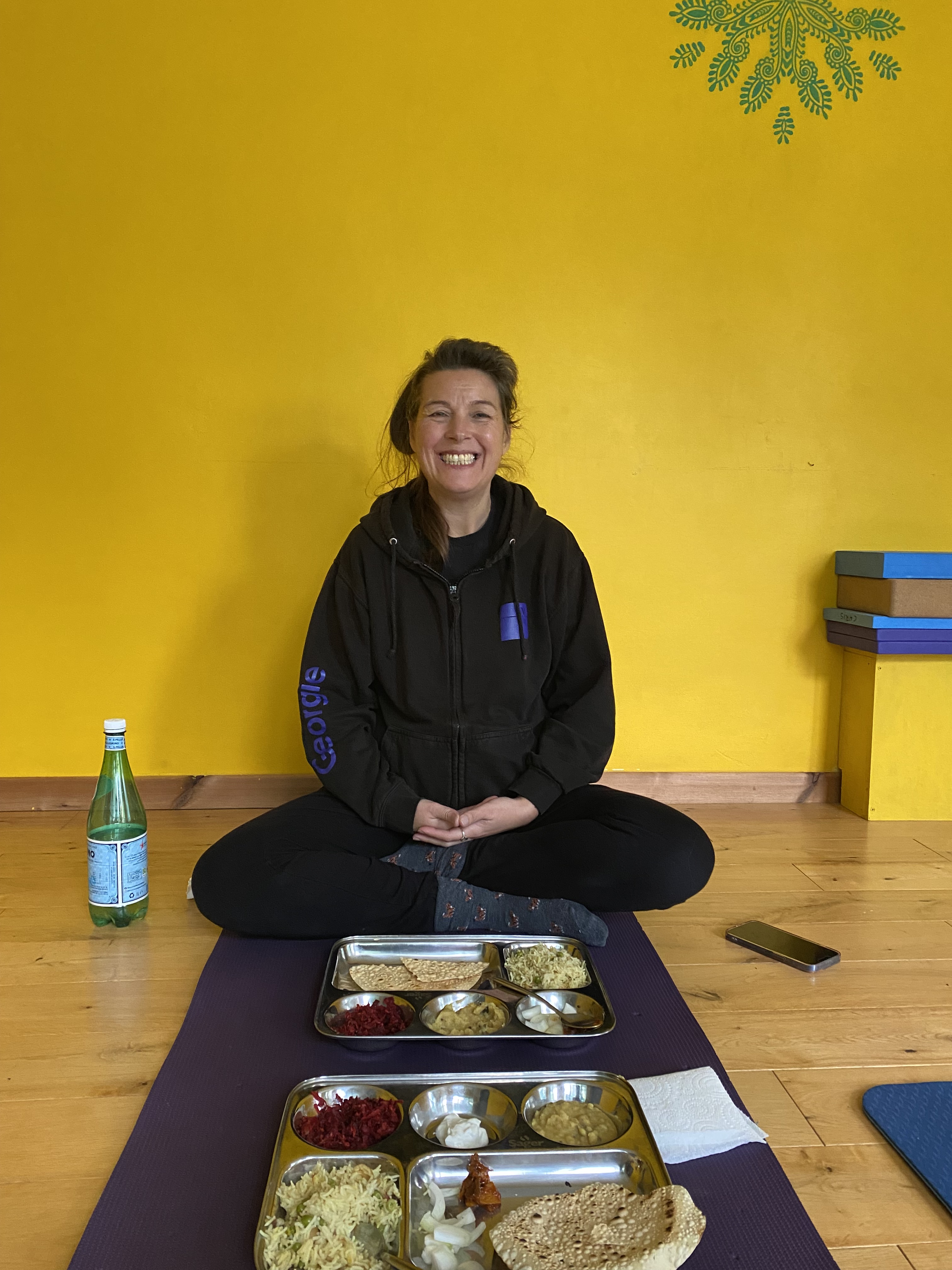
Post-Yoga South Indian Thali: Nourishing Plant-Based Meal with a Yoga Student

In my free time, I love sharing homemade meals prepared with fresh vegetables from my allotment. If you haven’t already, check out my previous post for a simple, nutritious recipe using seasonal produce. Stay tuned for more delicious plant-based recipes coming soon!

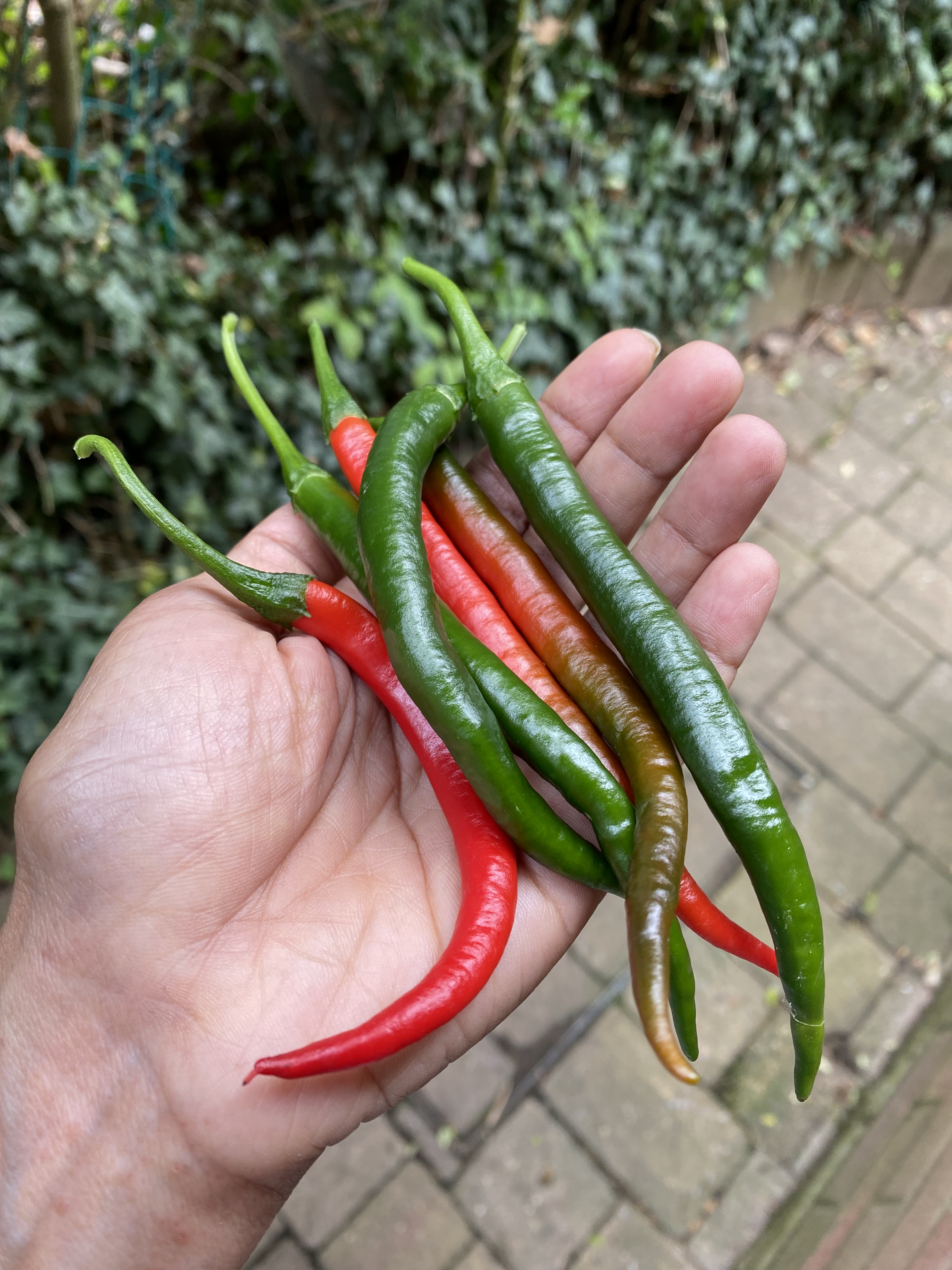
Nourish Your Body: South Indian Allotment Recipe with Homegrown Chillies for Yoga Students

Freshly picked organic chillies from my allotment greenhouse, used in a South Indian-inspired plant-based recipe, perfect for yoga students seeking healthy, nourishing meals.

As a yoga teacher and allotment enthusiast, I love bringing fresh, organic produce into my kitchen. This simple, nourishing recipe uses chillies from my small greenhouse and other vegetables from my allotment to create a delicious, plant-based meal. After a deep yoga practice, it’s important to refuel your body with wholesome, balanced meals, and this South Indian-inspired sambar is perfect for that.

Ingredients:

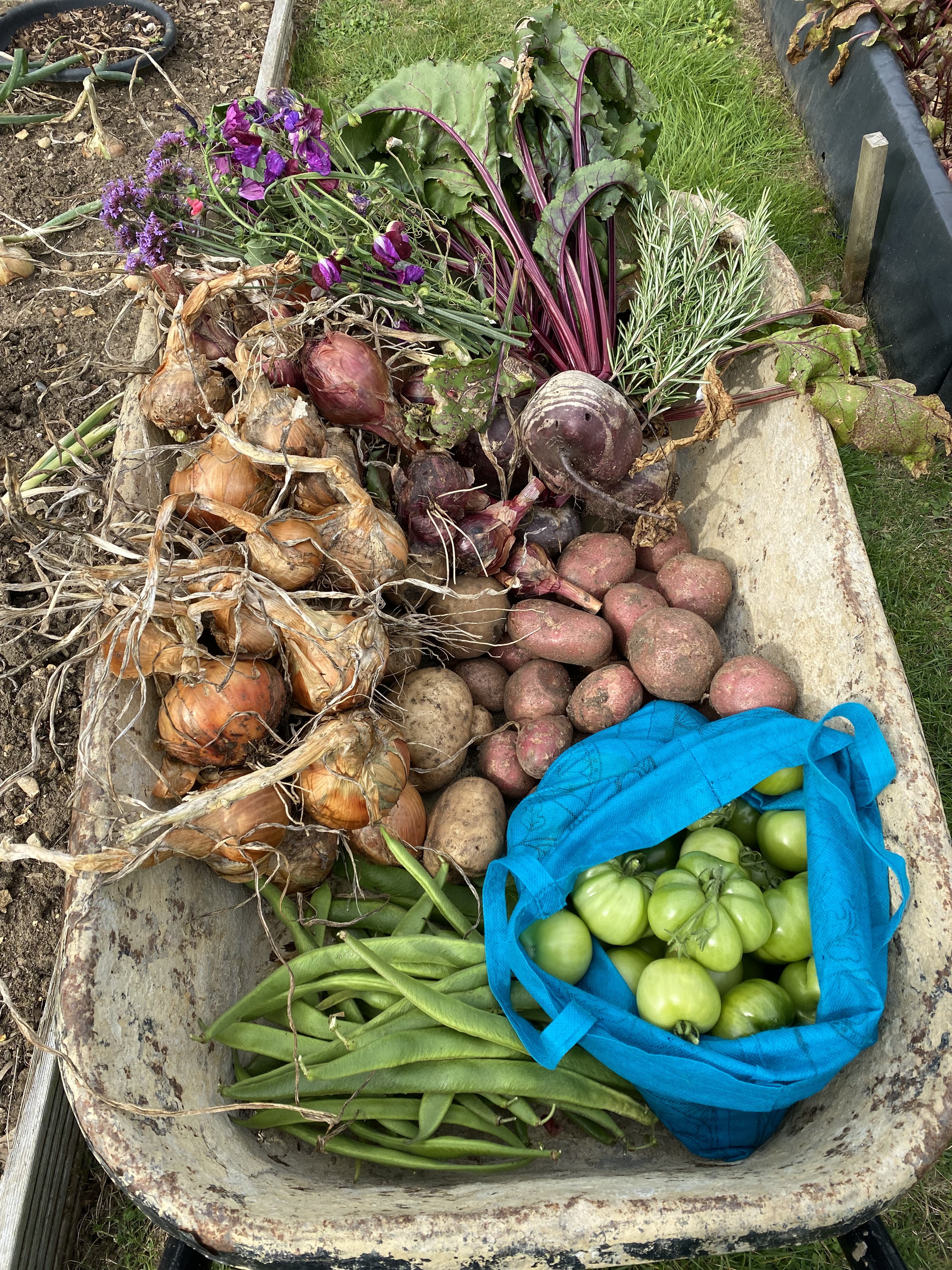
•   2 medium-sized potatoes (from the allotment), peeled and chopped
•   3-4 green tomatoes (from the allotment), chopped
•   2 large onions (from the allotment), sliced
•   2-3 fresh chilies (from the allotment greenhouse), slit lengthwise
•   A handful of green beans (from the allotment), chopped
•   1 cup yellow lentils (toor dal)
•   1 tablespoon tamarind paste
•   1 teaspoon turmeric powder
•   1 tablespoon sambar powder
•   1 teaspoon mustard seeds
•   A few curry leaves
•   2 tablespoons oil or ghee
•   Salt to taste
•   Fresh coriander leaves for garnish

Instructions:

1.  Rinse and cook the lentils in water until soft, then mash them and set aside.
2.  In a large pot, heat the oil or ghee and add mustard seeds. Once they start to splutter, add curry leaves.
3.  Add the onions, green beans, potatoes, and chilies, and sauté for a few minutes.
4.  Add the chopped green tomatoes and cook until softened.
5.  Mix in the turmeric powder, sambar powder, and tamarind paste. Stir well.
6.  Add the cooked lentils to the vegetable mixture, along with enough water to reach your desired consistency.
7.  Season with salt and let the sambar simmer for 10-15 minutes to let the flavors meld together.
8.  Garnish with fresh coriander leaves and serve hot with rice or dosa.

By using the fresh vegetables I grow in my allotment, I get to enjoy healthy, locally-sourced meals that nourish both body and soul.

From My Allotment to Your Table: Indian-Inspired Recipes Using British Produce

When I’m not teaching yoga, I love spending time at my allotment near the studio in Welwyn Garden City. It’s where I find peace, tending to the earth and collecting fresh vegetables that I’ll later turn into flavorful, nourishing Indian dishes. Growing British produce that’s easy to cultivate has become a passion of mine, and I’m excited to share these simple, healthy recipes with you.

Soon, I’ll be publishing a series of recipes inspired by the vegetables I grow, blending British ingredients with Indian cooking traditions. These dishes are perfect for anyone looking to bring the best of both worlds to their kitchen. I can’t wait to share this journey from the garden to the plate with my students!

The Sun Salutation – Surya Namskara

It is best to begin all sessions of yoga asanas with Surya Namsaskar. An excellent general warm up exercise, consisting of 12 different spinal positions the sun salutation give a varied range of vertebral movements to the spine and also promotes flexibility in the limbs of the body. The sun salutation is a great benefit to all, especially beginners, elderly and stiff people, as it aids the body in the rapid gain of flexibility, while regulating the breath and focusing the mind.  Technically Sun Salutation is not an asana but a series of gentle flowing movements synchronised with the breath. Once you have learned the positions of the Sun Salutation, tune them to a rhythmical breathing pattern.

The Sun Salutation gives an initial stretch to the body in preparation for the asanas proper. Hundreds of muscles are used. The Sun Salutation helps to regulate the breathing and focus the mind. its also recharges the solar plexus and stimulates the cardio-vascular system. The Sun Salutations should be repeated six-twelve times. traditionally it is practised early in the morning focusing the sun.